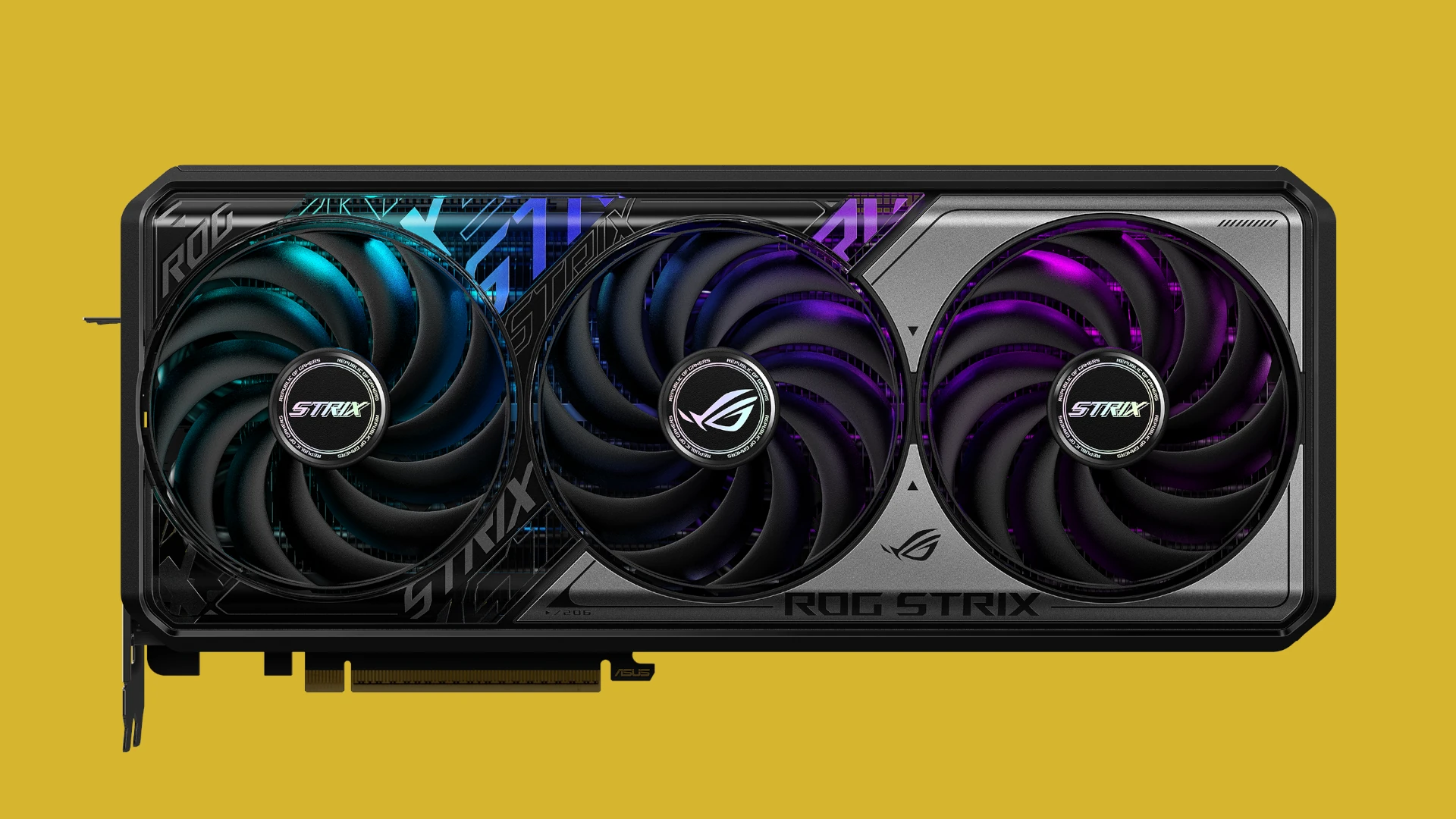
NVIDIA’s GeForce RTX 5070 and RTX 5070 Ti are part of the new RTX 50 Series, powered by the company’s latest Blackwell architecture. Designed for high-performance 1440p and entry-level 4K gaming, these GPUs aim to deliver major AI-powered upgrades, improved ray tracing, and better efficiency over the previous generation.
Here’s a complete breakdown of everything we know so far — including specs, features, performance expectations, and pricing.
RTX 5070 & 5070 Ti Overview
NVIDIA officially lists both GPUs as part of the RTX 50-series lineup built on Blackwell, promising “game-changing performance” and new AI capabilities (source: NVIDIA).
The 5070 Ti sits above the standard 5070, offering more cores, higher performance, and stronger 4K capability.
Confirmed Specifications
While exact board partner specs may vary, NVIDIA has revealed core details for both cards (source: Tom’s Guide).
RTX 5070 (Expected Key Specs)
- Architecture: Blackwell
- Target resolution: 1440p / entry 4K
- GDDR7 memory
- DLSS 4 support
- Improved ray tracing cores
- AI-enhanced rendering features
RTX 5070 Ti (Expected Key Specs)
- Architecture: Blackwell
- More CUDA cores than RTX 5070
- Higher memory bandwidth
- GDDR7 memory
- DLSS 4 support
- Better 4K performance
Multiple hardware comparisons highlight the Ti model as the stronger option for high-refresh 1440p and smoother 4K gaming (source: PCMag).
Key Features of the RTX 50 Series
1. Blackwell Architecture
The biggest leap comes from NVIDIA’s new Blackwell GPU architecture, which replaces Ada Lovelace from the RTX 40 series. It focuses heavily on AI acceleration and power efficiency.
2. DLSS 4
DLSS 4 is the newest version of NVIDIA’s AI-powered upscaling technology. It uses AI to generate frames and upscale lower resolutions to higher ones without major performance loss.
Hardware guides emphasize DLSS 4 as one of the biggest selling points of the 5070 lineup (source: PcHardwarePro).
3. Improved Ray Tracing
Both GPUs include upgraded RT cores for more realistic lighting, reflections, and shadows. The Ti variant is expected to handle ray tracing workloads more comfortably at higher resolutions.
4. GDDR7 Memory
The RTX 5070 series transitions to GDDR7 memory, offering increased bandwidth and improved performance-per-watt compared to GDDR6/GDDR6X.
RTX 5070 vs RTX 5070 Ti: What’s the Difference?
Here’s a simplified comparison:
| Feature | RTX 5070 | RTX 5070 Ti |
|---|---|---|
| Architecture | Blackwell | Blackwell |
| Target Resolution | 1440p | 1440p / 4K |
| CUDA Cores | Lower | Higher |
| Memory Type | GDDR7 | GDDR7 |
| Ray Tracing | Yes | Stronger |
| DLSS 4 | Yes | Yes |
| Price | Lower | Higher |
Performance testing comparisons show the Ti model delivering noticeably better results in demanding AAA titles, especially at 4K (source: PCMag).
Expected Pricing
NVIDIA revealed pricing details during its announcement cycle, with the 5070 Ti positioned above the standard 5070 in cost (source: Forbes).
While exact retail pricing can vary by region and board partner, the 5070 series is positioned in the upper mid-range GPU segment, targeting gamers who want premium performance without stepping up to the 5080 or 5090 tier.
Who Should Buy the RTX 5070?
Choose the RTX 5070 if you:
- Primarily game at 1440p
- Want strong ray tracing performance
- Plan to use DLSS 4
- Want better performance than RTX 4070-class GPUs
It’s ideal for high-refresh 1440p monitors (144Hz+).
Who Should Buy the RTX 5070 Ti?
Choose the RTX 5070 Ti if you:
- Want smoother 4K gaming
- Play demanding AAA titles
- Use heavy ray tracing
- Create content (video editing, 3D work)
- Want more future-proof performance
The Ti variant provides more headroom for newer games and higher resolutions.
Power Consumption & Cooling
Early hardware previews note improvements in efficiency thanks to the Blackwell architecture. However, as with most mid-to-high-end GPUs, proper case airflow and a quality PSU are still recommended (source: Overclockers UK).
Final Thoughts
The RTX 5070 and RTX 5070 Ti represent a significant step forward in NVIDIA’s 50-series lineup, introducing:
- Blackwell architecture
- GDDR7 memory
- DLSS 4
- Improved ray tracing
- AI-driven performance enhancements
For most gamers, the RTX 5070 is a strong 1440p powerhouse, while the RTX 5070 Ti is the better choice for 4K and long-term performance.
If you’re upgrading from an RTX 30-series or early 40-series card, the 5070 lineup could offer a meaningful performance boost — especially in AI-accelerated and ray-traced games.